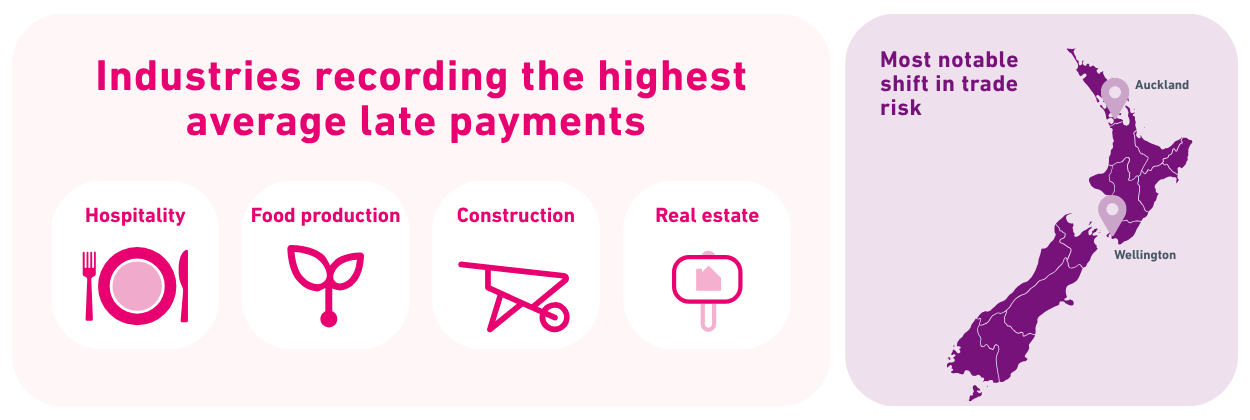
The July 2026 New Zealand Consumer Credit and Business Stress Report from Experian highlights a more complex picture across New Zealand householders and businesses.
While overall credit stress has remained relatively stable in recent months, underlying behavioural trends suggest that materials pressure may be becoming more evident. At the same time, there are signs that some consumers are changing how they manage spending and financial commitments.
Credit delinquency reflects a two-speed economy:
While overall credit risk indicators have improved, underlying trends suggest consumer outcomes are becoming more uneven.

The report explores how credit performance differs across consumer segments and what this could mean for businesses that depend on discretionary spending.
Find out:
- Where credit risk is rising
- Which consumer segments may face greater pressure
- Potential implications for consumer-facing industries
Potential shift in credit holdings:
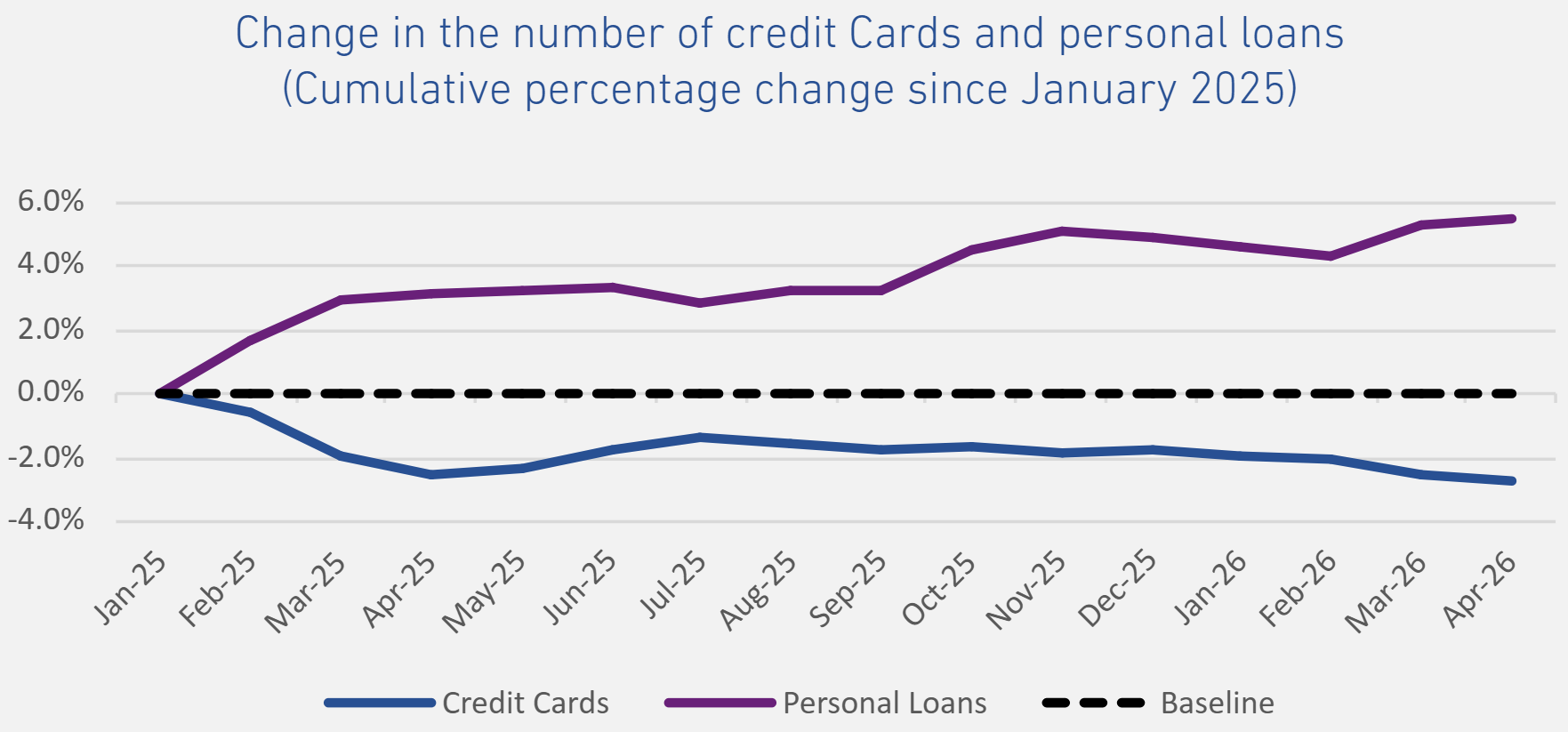
While Experian’s consumer credit data shows that credit card ownership has declined between January 2025 to April 2026, consumers appear to be taking on more personal loans and larger home loan debts than in previous years. This may highlight the ongoing impact of household cost pressures, especially among lower wealth consumers.
Explore:
- Difference in revolving credit usage by consumer segments
- Why we are seeing an increase in personal loans
- Percentage of debts compared to borrower’s income
Essential costs continue to influence household budgets:
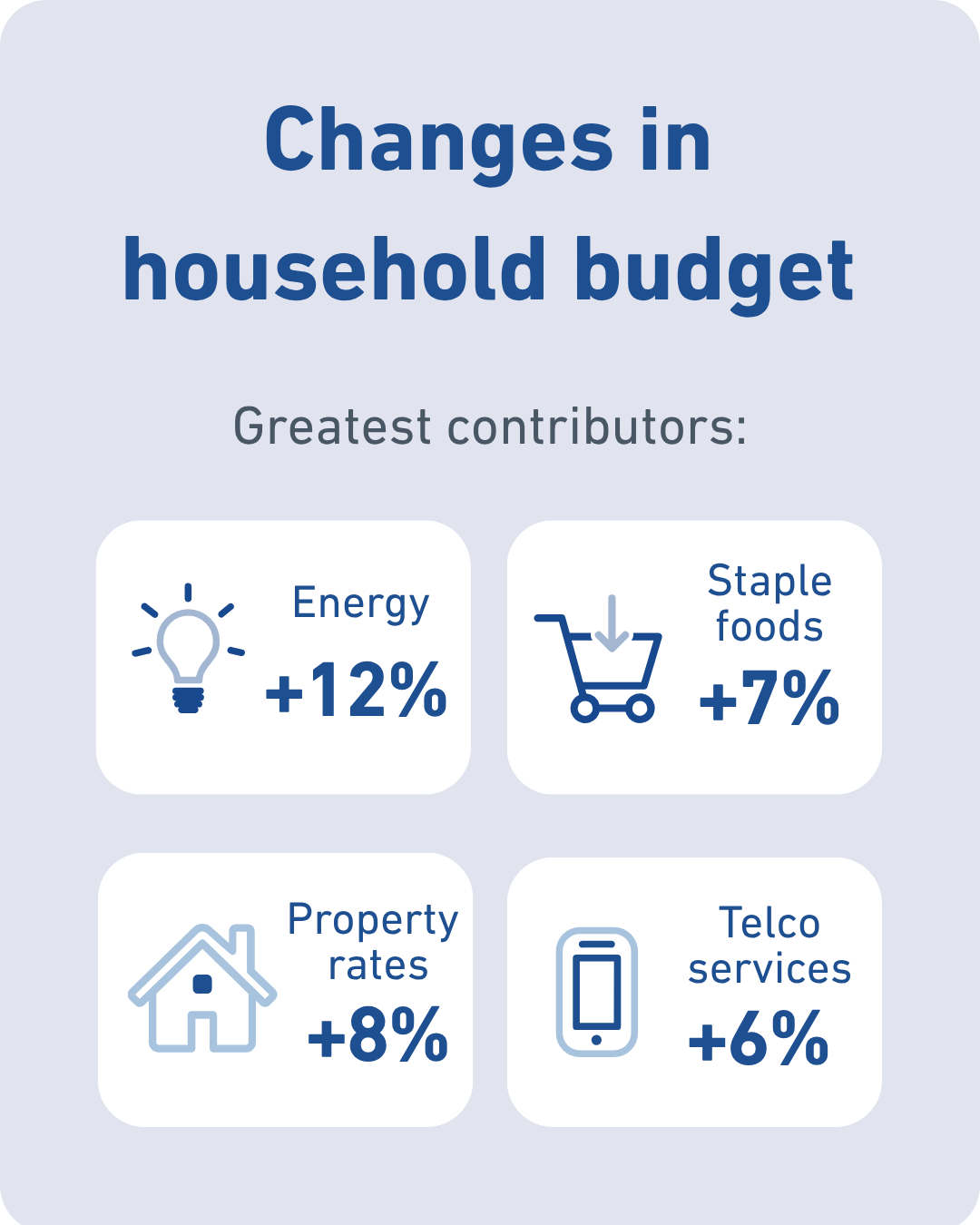
Overall, inflation may be moderate, but the impact of rising costs on everyday essentials remains an important consideration for many households.
Understanding where spending pressure is concentrated can help organisations better assess affordability trends and consumer behaviour.
Learn:
- Which essential expenses continue to affect household budgets
- How cost pressures vary across consumer groups
- What this may mean for future credit performance
Commercial businesses face tightening cashflow pressures:
Payment behaviour across key industries provides valuable insight into commercial trading conditions. The report examines recent shifts in invoice payment performance and highlights where trade risk pressures may be emerging across the economy.